 EN
EN
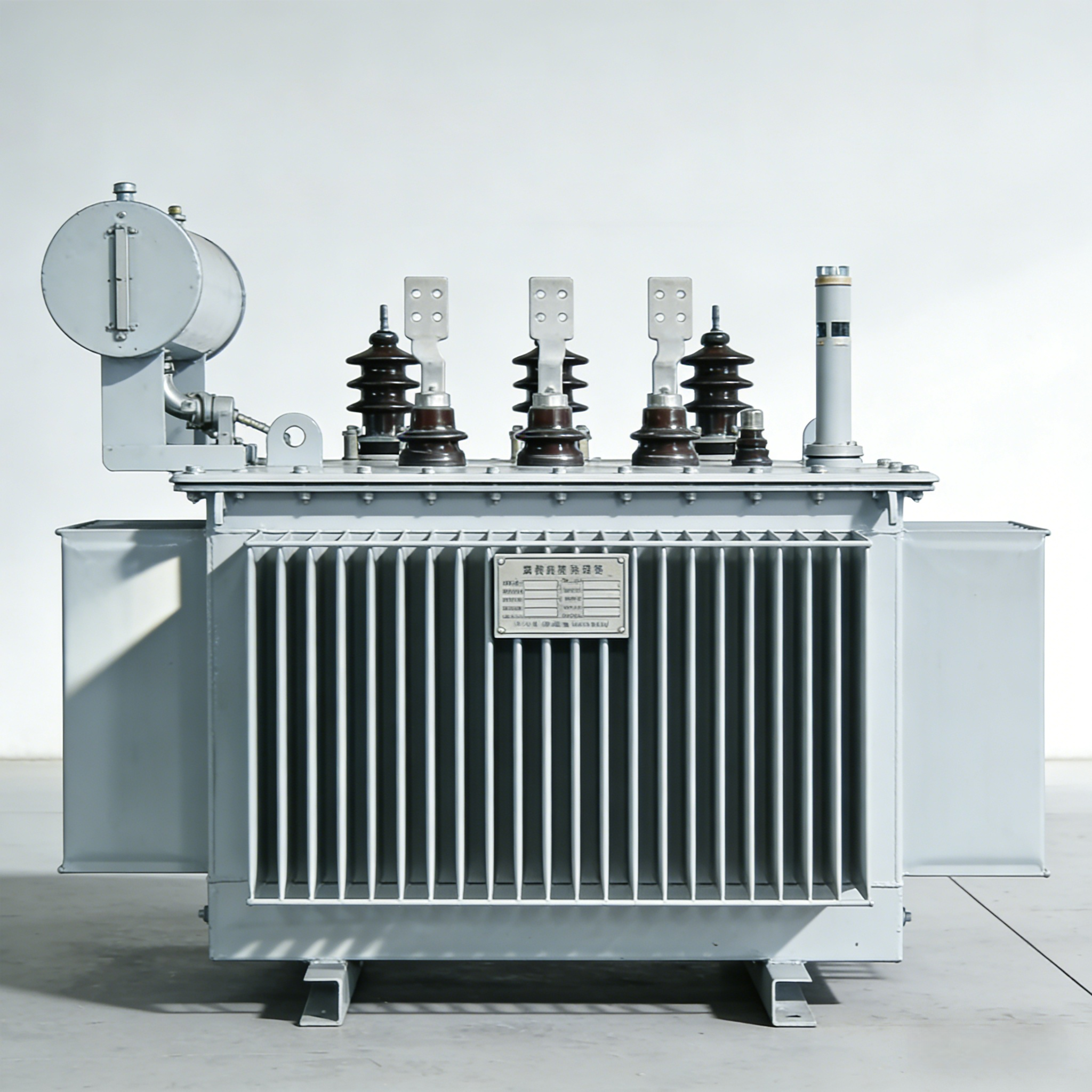
A step-up and step-down transformer is a device that changes the voltage of electricity. It helps to either increase or decrease the voltage level. This is really important in many places, like factories, homes, and big buildings. For example, when electricity travels long distances, it often needs to be at a higher voltage to move efficiently. Then, when it reaches a city or a home, it’s changed back to a lower voltage that is safe for use. Hongda makes these transformers, ensuring that they are reliable and effective.
Common Usage Issues with Step Up Step Down Transformers Explained
When using step up and step down transformer, people might run into some problems. One common issue is choosing the wrong transformer for the job. If a transformer is not rated for the right voltage, it can lead to overheating or even damage. For example, if you have a transformer that steps up voltage to 220 volts, but you need something to output only 110 volts, it won’t work properly. It's like trying to fit a square peg in a round hole. Another issue is not considering the power rating. Every transformer has a limit on how much power it can handle. If you try to push more power through it than it can handle, it can fail. This situation can be dangerous and might even cause electrical fires. Moreover, people sometimes forget to check the connections. Loose wires can lead to bad performance or even short circuits. Proper installation is key to making sure that your transformer works well. Understanding these common issues can help you avoid problems and keep your systems running smoothly.
What Are the Benefits of Using Step Up Step Down Transformers in Your Business?
Using step-up and step-down transformers in your business can bring many advantages. First, they help to save energy. By increasing voltage for long-distance travel, less energy is lost in the form of heat. This means you get more of the electricity you pay for. Secondly, they ensure safety. When voltage is lowered to a safe level, it protects both people and equipment from electrical shocks and damage. For instance, if you are running a factory with heavy machinery, using the right transformer ensures that everything runs smoothly without risking accidents. Step-up and step down power transformer can also support different types of equipment. In a business, you often have machines that require different voltage levels. A transformer can easily adjust to meet those needs. This flexibility can save you from having to buy different machines that work at different voltages. Additionally, investing in high-quality transformers from companies like Hongda can lead to long-term savings. They are built to last and often come with warranties, meaning fewer repairs or replacements down the line. In short, using these transformers can make your operations more efficient, safer, and cost-effective.
How to Troubleshoot Common Problems with Step Up Step Down Transformers
Step up and step down transformers are important devices that help change the voltage of electricity. Sometimes, these transformers can have problems that make them not work properly. When this happens, it is important to know how to troubleshoot or find out what is wrong. First, make sure the transformer is connected properly. Check all the wires to see if they are tight and not damaged. If any wire is loose or broken, it can cause the transformer to fail. Next, look for any signs of overheating. If the transformer feels very hot or has a burning smell, it may be malfunctioning. This can happen if too much electricity is flowing through it, which can lead to serious problems.
Another thing to check is the input and output voltage. Use a multi-meter to test the voltage coming into the transformer and the voltage going out. If the input voltage is not what you expect, the transformer may not be working right. Also, check the load connected to the transformer. If the load is too high, it can cause the transformer to struggle and not work properly. If everything seems okay but the transformer still does not work, it might be a good idea to contact a professional. They have more tools and experience to find the problem. Remember, safety is very important when working with electricity. Always be careful and follow safety rules when troubleshooting transformers.
Where Can You Find Reliable Suppliers for Step Up Step Down Transformers?
Finding reliable suppliers for step up electrical transformer and step down transformers is very important. You want to make sure you get the best products for your needs. One good place to start is online. There are many websites that specialize in electrical equipment. Look for reviews and ratings from other customers. This can help you see if a supplier is trustworthy. Hongda is known for providing high-quality transformers that you can depend on. You can visit their website to explore different options they offer.
Another way to find suppliers is to ask for recommendations. Talk to friends, family, or coworkers who have experience with transformers. They might know good suppliers you can trust. Attending local trade shows or electrical expos can also help you meet suppliers in person. You can ask questions and get a better idea of what they offer. When you find potential suppliers, ask about their warranty and return policies. A good supplier should be willing to help you if you have issues with their products. Finally, check if the supplier provides good customer service. If you have questions or need help, you want someone who will respond quickly and clearly.
What Are the Key Specifications to Consider for Step Up Step Down Transformers?
When looking for a step up or step down transformer, there are some key specifications to consider. First, think about the power rating. This is measured in volt-amperes (VA) or kilo volt-amperes (kVA). It tells you how much power the transformer can handle. Make sure to choose a transformer with a power rating that matches your needs. If the transformer is too small, it may not work properly. Next, look at the voltage levels. You need to know the input voltage (the voltage coming in) and the output voltage (the voltage going out). Ensure the transformer can change the voltage to the levels you need.
Another important specification is the frequency. Most transformers work at either 50 Hz or 60 Hz. Make sure your transformer matches the frequency of your electrical system. Additionally, check the efficiency rating. A more efficient transformer will waste less energy and save you money in the long run. Finally, consider the size and weight of the transformer. Depending on where you plan to install it, you might need a smaller or lighter model. Hongda offers a range of transformers that meet different specifications and needs, making it easier to find the right one for your project. Always take your time to compare different options and choose the best transformer for your situation.
Table of Contents
- Common Usage Issues with Step Up Step Down Transformers Explained
- What Are the Benefits of Using Step Up Step Down Transformers in Your Business?
- How to Troubleshoot Common Problems with Step Up Step Down Transformers
- Where Can You Find Reliable Suppliers for Step Up Step Down Transformers?
- What Are the Key Specifications to Consider for Step Up Step Down Transformers?