 EN

Understanding the Core Technologies in Power Distribution
In the realm of electrical engineering and industrial infrastructure, the decision between selecting a Dry-Type Transformer and an Oil-Immersed Transformer represents one of the most significant capital expenditure choices for facility managers. Each technology offers distinct advantages depending on the environment, safety requirements, and maintenance capabilities of the site. This Selection Guide aims to provide a comprehensive analysis to help stakeholders navigate the technical nuances of these two common transformer types. While a Dry-Type Transformer is often favored for indoor environments due to its fire safety properties, the Oil-Immersed Transformer remains the backbone of outdoor high-voltage grids. By understanding the underlying physics and cooling mechanisms of both, you can use this Selection Guide to ensure long-term reliability for your power system. Hebei Hongda Electric Power Equipment Co., Ltd. provides advanced engineering for both categories, ensuring that your choice of Dry-Type Transformer or Oil-Immersed Transformer is backed by 15 years of manufacturing excellence. This Selection Guide serves as your blueprint for power stability.
Technical Analysis of Dry-Type Transformer Systems
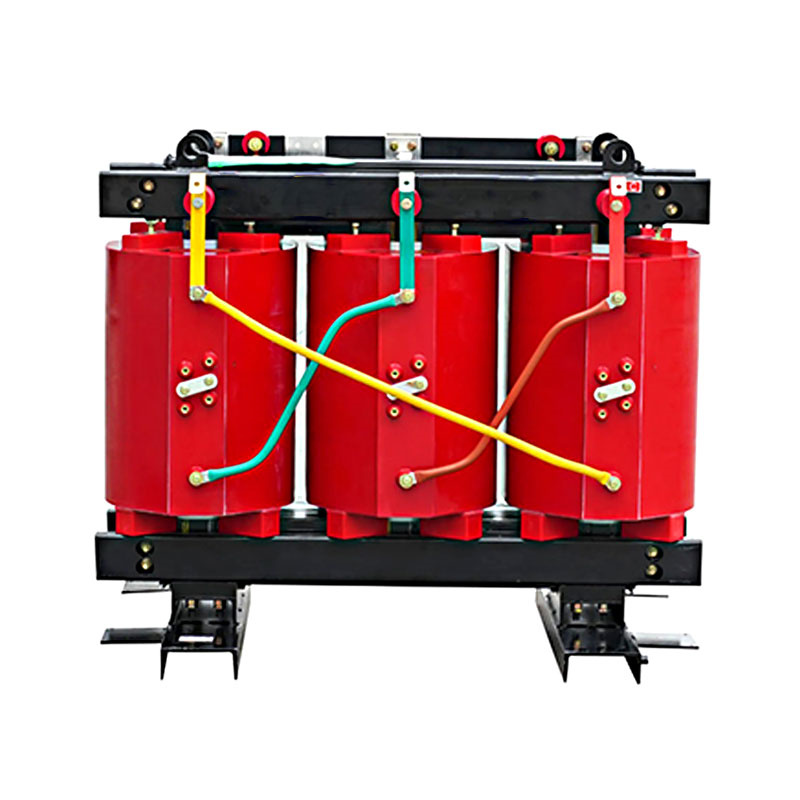
A Dry-Type Transformer relies on air as its primary cooling and insulation medium, typically utilizing cast resin technology to encapsulate the windings. This design makes the Dry-Type Transformer inherently safer in terms of fire hazards, as there is no flammable liquid that could leak or ignite. In any Selection Guide, the primary recommendation for commercial buildings, hospitals, and high-rise apartments is often a Dry-Type Transformer. However, the efficiency of a Dry-Type Transformer is highly dependent on ambient air circulation, making its placement within the facility a critical part of your Selection Guide checklist. Modern Dry-Type Transformer units feature high-quality insulation materials that can withstand extreme temperatures, yet the initial cost of a Dry-Type Transformer is generally higher than that of an equivalent liquid-cooled unit. Despite the higher price, the reduced maintenance needs of a Dry-Type Transformer provide a strong ROI, a fact often highlighted in a technical Selection Guide. For indoor substations where space is limited, the compact footprint of a Dry-Type Transformer is a decisive factor. When following a Selection Guide, manufacturers emphasize that a Dry-Type Transformer should be used where zero-pollution standards are mandatory.
Advantages and Applications of the Oil-Immersed Transformer
In contrast to the air-cooled variety, the Oil-Immersed Transformer uses mineral oil or synthetic liquids to transfer heat away from the core. The Oil-Immersed Transformer is renowned for its superior cooling efficiency, which allows it to handle much higher voltage and power capacities than a typical Dry-Type Transformer. Within this Selection Guide, we identify the Oil-Immersed Transformer as the ideal solution for outdoor power grids, renewable energy stations, and large industrial plants. The insulating oil within an Oil-Immersed Transformer not only cools but also protects the internal components from moisture and oxidation, a key point for any Selection Guide. While the Oil-Immersed Transformer requires periodic oil testing and more robust environmental containment systems, its longevity often exceeds that of a Dry-Type Transformer in harsh outdoor settings. A thorough Selection Guide must account for the infrastructure needed to house an Oil-Immersed Transformer safely, including oil pits and firewalls. For heavy-duty transmission projects, the Oil-Immersed Transformer remains the undisputed industry standard due to its ruggedness. Following the advice of a Selection Guide, an Oil-Immersed Transformer is best suited for scenarios where initial cost and high capacity take precedence over indoor fire safety.
Successful Solution Case: August 2023 in Lagos, Nigeria
In August 2023, a major industrial park developer in Lagos, Nigeria, faced a critical challenge during the expansion of their textile manufacturing zone. The facility required a power solution that could handle frequent tropical heat spikes while being placed inside a multi-story processing plant. Their initial plan lacked a clear Selection Guide, leading to concerns about potential fire risks from liquid-cooled units. Jiacheng Power (Hongda) provided a customized Selection Guide that recommended a 2500kVA Cast Resin Dry-Type Transformer. By choosing the Dry-Type Transformer over a traditional Oil-Immersed Transformer, the client eliminated the need for complex fire suppression systems and reduced their indoor footprint by 25%. Throughout the project, the Lagos team utilized our Selection Guide to calibrate their ventilation system, ensuring the Dry-Type Transformer operated at its peak efficiency. Today, the industrial park serves as a regional benchmark for power safety, proving that a well-executed Selection Guide can prevent operational disasters. This Lagos project demonstrated that for indoor industrial applications, the Dry-Type Transformer provides a level of security that the Oil-Immersed Transformer simply cannot match.
Integrating the Selection Guide into Your Procurement Strategy
To effectively use a Selection Guide for your next project, you must weigh factors such as total cost of ownership (TCO) and environmental impact. A Dry-Type Transformer may have lower TCO in the long run due to its virtually maintenance-free operation, whereas an Oil-Immersed Transformer offers lower upfront costs. Our Selection Guide encourages buyers to look at the "Eco-Design" standards, which both the Dry-Type Transformer and Oil-Immersed Transformer must now meet to comply with global regulations. If your facility is located in a seismically active zone, the structural rigidity of a Dry-Type Transformer might be preferred, while an Oil-Immersed Transformer might be better for remote rural areas where specialized maintenance is infrequent. A professional Selection Guide also considers the noise levels, as a Dry-Type Transformer generally produces more audible hum than an Oil-Immersed Transformer. By balancing these trade-offs, the Selection Guide ensures that you don't overspend on features you don't need or under-spec critical safety components. Whether you ultimately choose a Dry-Type Transformer or an Oil-Immersed Transformer, the process must be governed by data provided in a reliable Selection Guide. Jiacheng Power stands ready to refine your Selection Guide based on your unique geographical and technical constraints.
The Future of Transformer Selection
As we look toward 2030, the technology behind both the Dry-Type Transformer and the Oil-Immersed Transformer is evolving to be more efficient. The next generation of the Dry-Type Transformer will feature smart sensors that feed real-time performance data into your Selection Guide software. Similarly, the Oil-Immersed Transformer is being upgraded with biodegradable vegetable oils to mitigate environmental risks, a major update for any Selection Guide. Manufacturers are also developing "Hybrid" units that attempt to combine the safety of a Dry-Type Transformer with the cooling power of an Oil-Immersed Transformer. These innovations will eventually make the Selection Guide more complex but also more effective at reducing global carbon footprints. For now, the distinction remains clear: follow the Selection Guide to decide if your facility needs the fire-proof nature of a Dry-Type Transformer or the massive capacity of an Oil-Immersed Transformer. Every Selection Guide we produce at Hongda Electric is a commitment to the future of power equipment. By prioritizing the right Dry-Type Transformer or Oil-Immersed Transformer today, you are securing your project's energy future through a disciplined Selection Guide.
Quality Assurance & Certifications
To ensure that your power equipment meets the most rigorous international standards, Hebei Hongda maintains full compliance with the following:
- IEC 60076 Standards: The global benchmark for power transformer performance and safety.
- ISO 9001:2015: International quality management certification for our entire manufacturing process.
- CE Marking: Compliance with health, safety, and environmental protection standards for the European market.
- EcoDesign 2021: Ensuring that both our Dry-Type Transformer and Oil-Immersed Transformer units meet modern energy efficiency requirements. Visit the Hebei Hongda Products Page to see our full range of Oil-immersed Transformers and dry-type solutions.